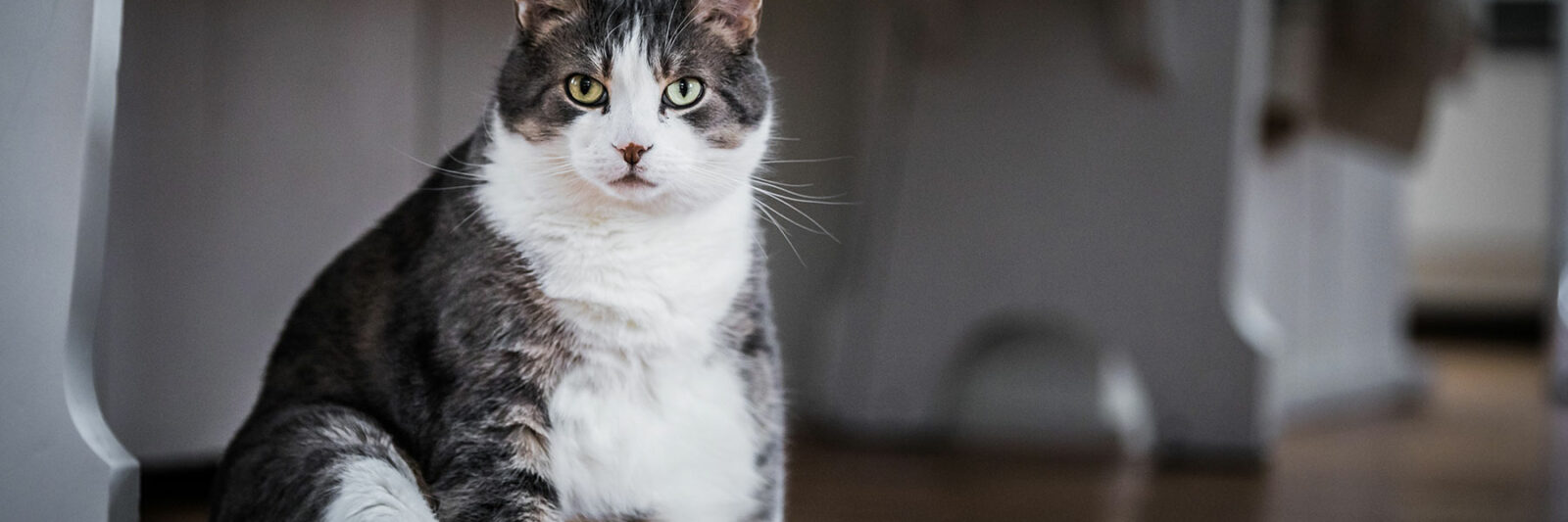
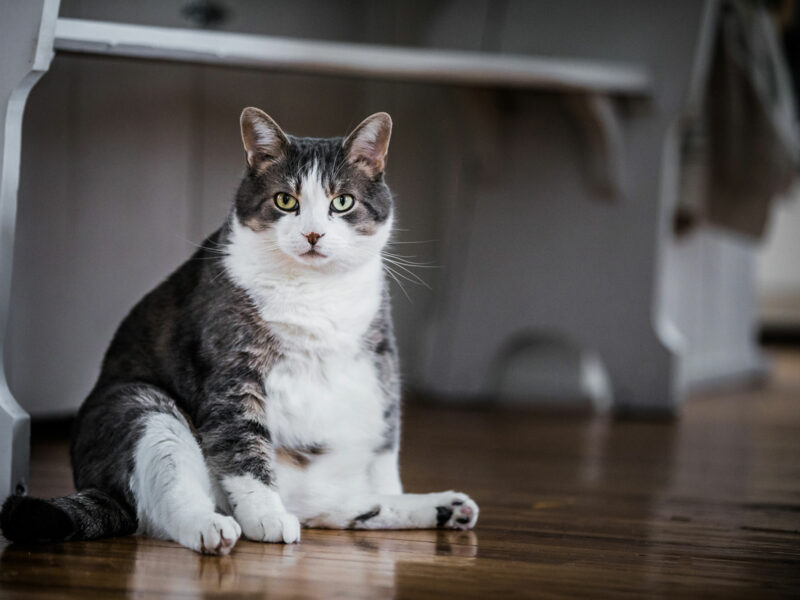
The internet is full of cute, funny photos and videos of ‘chonky’ pets – but a fat cat or pudgy pup is no laughing matter. Much the same as humans, overweight and obese animals are susceptible to a range of dangerous and uncomfortable health conditions, and ultimately can lead to a shortened life.
Obesity is one of the most common nutritional disorders our vets see in cats and dogs. In Australia and New Zealand, nearly half of all pet dogs and approximately a third of pet cats are overweight!
Some common ailments caused by being overweight include:
- Diabetes
- Cardiovascular disease (heart disease)
- Degenerative joint and orthopedic disease (including arthritis)
- Joint stress or musculoskeletal pain
- Respiratory problems
- Cancer and tumours
- Skin problems
- Hypertension (high blood pressure)
- Reproductive disorders
- Decreased quality of life
- Shorter life expectancy
What causes pets to become overweight?
There are a few ways our pets can gain excess weight, and whilst some breeds are more susceptible to weight-gain than others, most reasons come down to our willpower as a responsible pet parent! These causes can include:
- Feeding extra treats
- Feeding unhealthy treats
- Feeding an unbalanced diet
- Lack of exercise
How do I know if my pet is overweight?
Your pet might be overweight if:
- You experience difficulty when trying to feel their ribs
- You cannot see a defined ‘waist’
- You can see obvious fat deposits and rolls
- They are no longer grooming themselves efficiently, if at all
- They are reluctant to exercise or are disinterested
- They quickly become tired and refuse to continue exercise
- They have a ‘waddle’ to their walk – or other abnormal movement
- They are at a weight dramatically different from breed guidelines
- They are often panting – even without movement or exercise
Healthy treats and fun exercise
Avoid feeding your pet ‘junk food’ treats like jerky type strips and highly processed snacks that might be purchased in the supermarket. Human treats are also a big no-no – no matter how cute those begging eyes are. It is also important not to feed your pet treats here and there ‘just because’. Use treats as a reward for positive behaviours and training.
Some healthier reward treats include:
- A small percentage of your pet’s daily feed allowance (kibble)
- Fresh foods like carrots, zucchini, berries, or beans for dogs
- Small amounts of cooked fish, catnip, or cat grass for cats
Some simple ways to include fun exercise in your pet’s day include:
- A walk
- Playing with your pet – inside or in the backyard
- Fetch (for cats and dogs!)
- Tug-o-war
- Swimming
- Climbing toys and spaces for cats
- Chasing laser toys
- Socialising with other animals your pet is comfortable with
- Nose-works – get your cat or dog moving by hiding healthy treats or interesting smells for them to sniff out
What can I do if I think my pet is overweight?
If you suspect your pet is overweight, it is important not to change their diet or exercise schedule drastically or quickly – this could exacerbate the problem. Book an appointment to see our team, and together we will create a plan to help your pet reach their optimal weight in a healthy and sustainable manner.
 Urinary Blockages in Cats